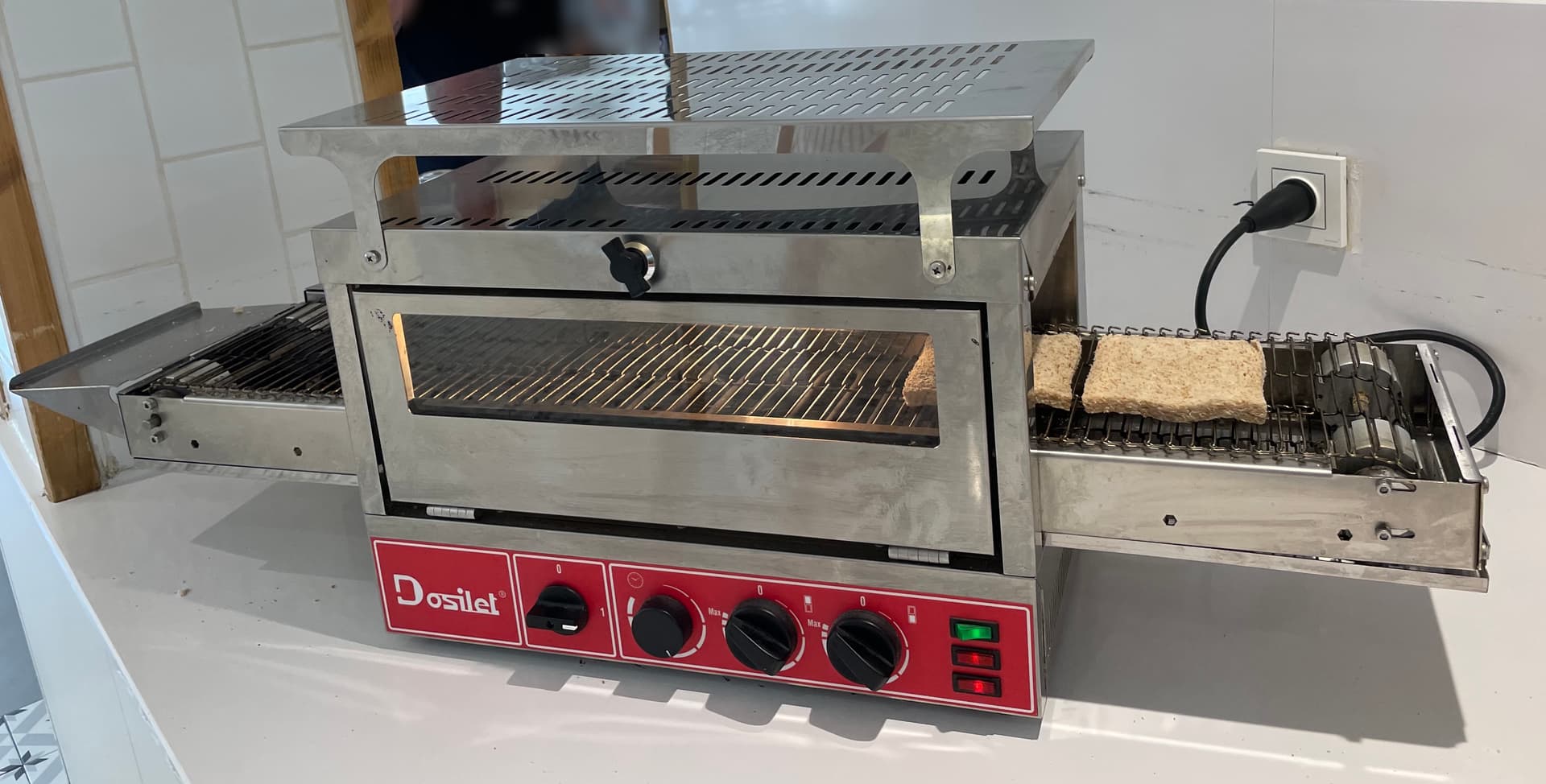
Most Modern Toasters Are Disposable. The Good Ones Aren't.
Look at most toasters on store shelves today and you're looking at planned obsolescence. They work well for a year or two, then the heating elements fail, the lever stops latching, or the browning dial loses calibration. The machine still technically functions, but you're fighting it every morning.
The good news: some toasters are built differently. Brands like Dualit and Breville make models that last a decade or more with basic care. And if you know where to look, vintage toasters — particularly the Sunbeam Radiant Control — are still turning up decades after manufacture and working perfectly.
What Actually Makes a Toaster Last
Longevity in toasters isn't about brand names or price alone — it's about specific construction choices:
- Built-to-last materials: Heavier, more robust construction — real die-cast metal housing versus thin stamped steel or plastic.
- Replaceable heating elements: This is the key differentiator. The Dualit Classic has elements you can swap out yourself. Most toasters don't. That single feature makes the Dualit genuinely BIFL in a way no other modern toaster can match.
- Solid mechanical controls: Levers, dials, and browning controls that won't become loose or unresponsive with repeated use.
- Simple design: The fewer circuit boards and digital components, the fewer failure points. A toaster that does one thing well lasts longer than one with a touchscreen.
Top Picks: Toasters Worth Your Money
- Dualit 2-Slice Classic Toaster: The only toaster you can actually repair yourself. Heavy steel body, replaceable nichrome elements, solid mechanical timer. Used in commercial kitchens for decades. This is the definitive BIFL toaster.
- Breville Die-Cast 2-Slice Smart Toaster: Premium die-cast construction, A-Bit-More button for those who constantly under-toast, and precise browning control. Not repairable like the Dualit, but built significantly better than most consumer toasters. Expect 10+ years with normal use.
- KitchenAid 2-Slice Toaster: Classic design, quality build, solid performance year after year. A good middle ground between the Dualit's repairability and mainstream convenience.
- Cuisinart CPT-122 2-Slice Compact Toaster: The most affordable option that doesn't embarrass itself. Compact, reliable, and built with more care than big-box equivalents. Not BIFL, but closer to it than anything under $50.
The Vintage Angle: Are Old Toasters Worth Hunting?
The Sunbeam Radiant Control toaster is the stuff of BIFL legend. Made from the late 1940s through the 1970s, these toasters used a bimetallic sensor to detect bread temperature rather than a timer — meaning they toasted by heat, not time, and adjusted automatically for bread thickness and initial bread temperature.
The result was perfect toast, every time. The mechanism is elegantly simple, which is why examples from 40-50 years ago still turn up working at estate sales today.
The caveats: availability varies, pricing on eBay ranges from $30 to $150+, and you'll likely need to clean the contacts and check the wiring. But if you find a well-preserved example, it's one of the few appliances that genuinely justify calling vintage.
What to Skip
- Budget brands under $30: Flimsy materials, subpar elements, plastic levers. These are disposable by design.
- Toasters with digital displays or touchscreens: More failure points, harder to repair, rarely adds meaningful functionality over a simple dial.
- "Rapid toast" or gimmick-feature models: Prioritize novelty over durability. Skip.
Care and Maintenance
- Empty the crumb tray regularly: Crumb buildup causes uneven heating and is a fire risk. Pull the tray weekly if you use it daily.
- Don't force oversized bread: Forcing thick bread or bagels into slots strains the elements. Most toasters have a bagel setting — use it.
- Replace elements on Dualit when needed: Dualit sells replacement element kits. Swapping them takes 10 minutes with a screwdriver. Your toaster effectively becomes new again.
- Store unplugged: When not in regular use, store unplugged to avoid slow degradation from standby current.
Verdict
The Dualit 2-Slice Classic is the only toaster that's truly buy-it-for-life in the strictest sense — because when the elements fail, you replace them instead of the toaster. Everything else is built better than average but still finite.
If the Dualit price is a stretch, the Breville Die-Cast is the next best thing. Buy one, maintain it, and never think about toasters again.
FAQ
Can I really replace the heating elements on a Dualit?
Yes. Dualit sells element kits directly, and replacement is a straightforward DIY job with basic tools. This is exactly what makes the Dualit BIFL — the lifespan is theoretically indefinite as long as the chassis holds up.
Are modern toasters really that bad?
Most under $60 are, yes. The housing is thin stamped metal or plastic, the elements are undersized, and the mechanical components are designed to minimum spec. They're cheap to make and priced to be replaced. The models listed here are the exceptions.
Is the Sunbeam Radiant Control toaster actually worth finding?
If you can find a clean example in working condition for under $60, yes. The sensor-based toasting mechanism is genuinely superior to timer-based toasters — it produces more consistent results and adjusts for variables that modern toasters ignore. Just inspect it carefully before buying and clean the contacts if needed.
How often should I clean my toaster?
Empty the crumb tray at least once a week if you use it daily. Give the exterior a wipe-down monthly. A 10-minute cleaning routine extends toaster life meaningfully and keeps it safe.


