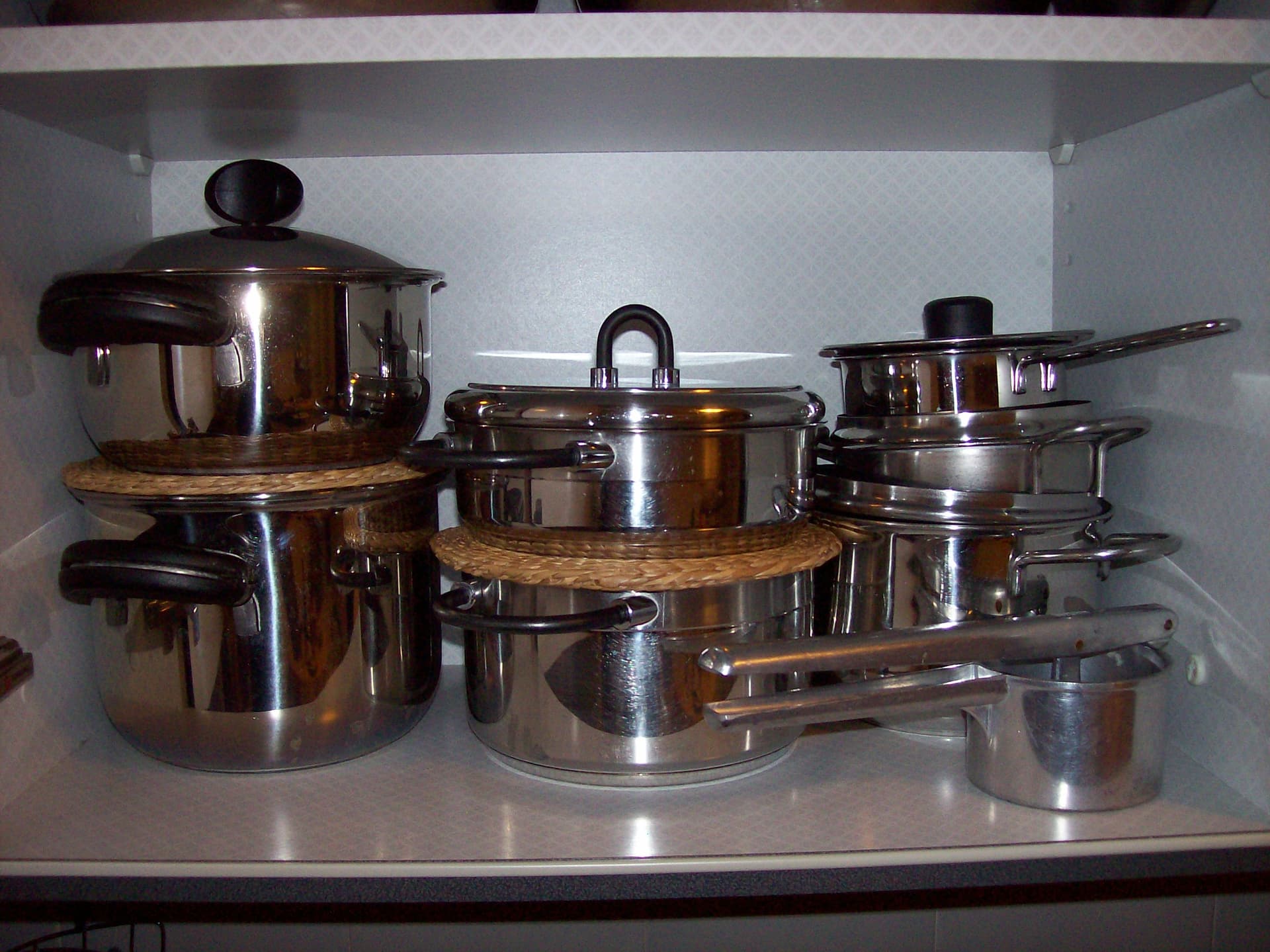
Why Most Stainless Steel Pots Fail You
When it comes to stainless steel cookware, longevity is not guaranteed by its mere presence on your stovetop. The quality of construction and materials can vary greatly between brands, leading many consumers to discard pots after just a few years due to warping, pitting, or peeling. Most subpar stainless steel sets will fail you in one of two ways:
- Thermal Performance Issues: Inferior cookware often lacks proper heat conductivity and distribution. This results in hot spots that burn food and uneven cooking.
- Durability Failures: Thin gauge metals, poor bonding between layers, or substandard stainless steel can lead to warping, pitting, and discoloration over time, rendering your pots useless.
To avoid these pitfalls, you must focus on finding a set that prioritizes quality construction and materials. Not all stainless steel pots are created equal, and it's crucial to understand what separates the durable from the disposable.
What Actually Makes Cookware Last
The longevity of your cookware is determined by several key factors:
- Metal Quality: Higher-grade stainless steel alloys resist corrosion better, ensuring a longer lifespan. Look for options that use 18/10 or higher grade materials.
- Gauge Thickness: Thicker walls and bases mean your pots are less likely to warp from high heat. Aim for at least 2mm thick metal, but thicker is always better.
- Layering Technology: Multi-ply construction with a conductive core (like aluminum or copper) enhances thermal performance by evenly distributing heat across the entire pot surface.
- Bonding Techniques: Proper layer bonding ensures that your stainless steel and base metals stay intact over time, preventing delamination and warping. Fusion-bonded layers are superior to glued or welded methods.
- Durability of Handles: Solid rivets versus screws can make a big difference in handle longevity. Stainless steel is better than plastic for grips that won't crack over time.
Top Picks: The Stainless Steel Pots Worth Buying
If you're looking to invest in stainless steel cookware that will truly last, here are the top picks:
- All-Clad D3 Stainless Saucepan: Tri-ply bonded construction with a magnetic base for induction cooking. Durability and heat distribution are top-notch. All-Clad backs it with a lifetime warranty — this is the benchmark.
- Demeyere Industry 5-Ply: Belgian-made with superior heat conductivity from its five-layer construction. The heavy gauge base ensures stability and decades of service.
- Mauviel M'Cook: French craftsmanship, robust construction, and excellent heat retention. The 18/10 stainless steel exterior is highly resistant to corrosion. Worth every penny.
- Made In Cookware Stainless: 3mm thick bases with durable ergonomic handles. The bonded construction ensures even heating. Good price-to-quality ratio relative to All-Clad.
- Tramontina Tri-Ply Clad: The budget pick that doesn't embarrass itself. 18/10 stainless exterior with an aluminum core. The thick gauge base prevents warping, which is more than you can say for most sets at this price.
The Pots to Skip
When shopping for long-lasting cookware, watch out for these brands that cut corners:
- Calphalon Classic Stainless: Uses thin metal and lacks the heat conductivity of their premier lines. Handles can loosen over time.
- Cuisinart Multiclad Pro: Popular but known for warping due to thinner gauge metal. Fine for occasional use; not for a BIFL buy.
- Farberware Stainless Steel: Prone to warping and uneven heating. The bonding between layers fails over time. Skip entirely.
Care and Maintenance
To ensure your stainless steel pots last as long as possible:
- Hand Wash Only: Dishwashers cause discoloration and pitting. Use warm water with mild detergent.
- Dry Immediately: Dry thoroughly after washing to prevent water spots and rust formation.
- Avoid Abrasive Cleaners: Use a non-abrasive sponge or cloth. Scratching the surface exposes bare metal underneath.
- Season Occasionally: Coat with a thin layer of oil after drying to maintain the surface and improve stick resistance.
- Deglaze Hot Pans: If you get stuck-on food, deglaze with water or broth while the pan is still warm — much easier than scrubbing later.
Verdict
Investing in high-quality stainless steel cookware pays off over decades. All-Clad is the gold standard if budget isn't the issue. Tramontina is what you buy when you want BIFL quality without the premium price tag. Either way, you're buying once.
Skip the fancy multi-piece sets from big-box stores. Buy individual pieces you'll actually use. A good 2-quart saucepan and a 4-quart saucier will cover 90% of your cooking needs and last the rest of your life.
FAQ
How do I know if my stainless steel pots are high quality?
Look for thick gauge metal (2mm+ base), multi-layer construction with a heat-conductive aluminum or copper core, solid riveted handles, and 18/10 stainless steel rating. Weight is a reliable proxy — good cookware feels substantial.
Can I use stainless steel pots on an induction stove?
Most high-quality stainless steel pots are induction-compatible because they have a magnetic base layer. All-Clad D3, Demeyere, and Made In all work on induction. Check the product description to confirm.
How long should stainless steel cookware last?
If well-maintained, quality stainless steel pots last decades — often a lifetime. Replace only if you notice significant warping, delamination, or pitting through the cooking surface. All-Clad literally offers a lifetime warranty.
Is All-Clad really worth the price over Tramontina?
For most home cooks, Tramontina Tri-Ply Clad delivers 85-90% of All-Clad performance at roughly a third of the price. If you cook professionally or daily and want the best possible heat distribution, All-Clad is worth it. Otherwise, Tramontina is the rational buy.


